Foundation repair
We look at cracked or settling foundation walls, find out whether the cause is the soil, water or the original footing, and repair the masonry so the fix deals with the cause.
Optimum Yorba Linda Concrete & Masonry builds and repairs brick, block and stone work for homeowners in Norwalk, from cracked property-line walls and worn chimney joints to new garden walls, walkways and outdoor kitchens.
Norwalk is one of the cities our crew works in from our base in Yorba Linda, along with Buena Park, Fullerton and Irvine. Many of the calls we get here come from older lots, where a block wall along the property line has cracked or begun to lean, a brick planter has lost its mortar, or a chimney needs its top rows rebuilt. I'd rather repair what's worth keeping, and I'll tell you plainly when a wall has gone too far for that.
The ground matters as much as the brick when a wall has to stand for years. The state maps areas prone to ground failure in an earthquake, including liquefaction, where water-soaked soil gives way. Whether your lot falls in one depends on the address, and the questions below show how to look yours up. When I look at a wall or footing here, I look at the soil and at how the old work has moved before I suggest repair or rebuilding.
The price of a masonry job here comes down mostly to how long and tall the wall is and whether it's block, brick or stone, then to how much old work has to come out and how easily we can get materials to the back of the lot. The schedule turns on whether the job needs a permit and inspections, and on how long the mortar and grout need to set before we build higher or backfill. When I come out, I measure, look at the access and the old work, and write you an estimate with your own figure.
I come out to look at each job in person and write the estimate, so the person pricing your wall is the one who knows what the work involves.
We're licensed and insured, and our own masons and helpers do the work while I'm on site to check it. The questions below cover what California asks of any contractor you hire.
We check with the city's building office before work begins. When a job needs a permit, we take care of the paperwork and schedule the inspections, so you aren't left chasing them.
We look at cracked or settling foundation walls, find out whether the cause is the soil, water or the original footing, and repair the masonry so the fix deals with the cause.
Older chimneys usually loosen first near the top, where the crown and upper joints take the most wear. We rebuild the damaged rows and match the brick and mortar to what's there.
When mortar joints have gone sandy or recessed but the bricks are sound, we grind out the old mortar to an even depth and pack in new mortar matched to your wall.
Cracked, chipped or loose bricks in planters, steps and garden walls can usually be cut out one at a time and replaced, so you keep the wall rather than rebuilding it.
We dig out the old driveway, compact a gravel base and lay the pavers inside a firm edge, because a paver drive is only as steady as the base you can't see.
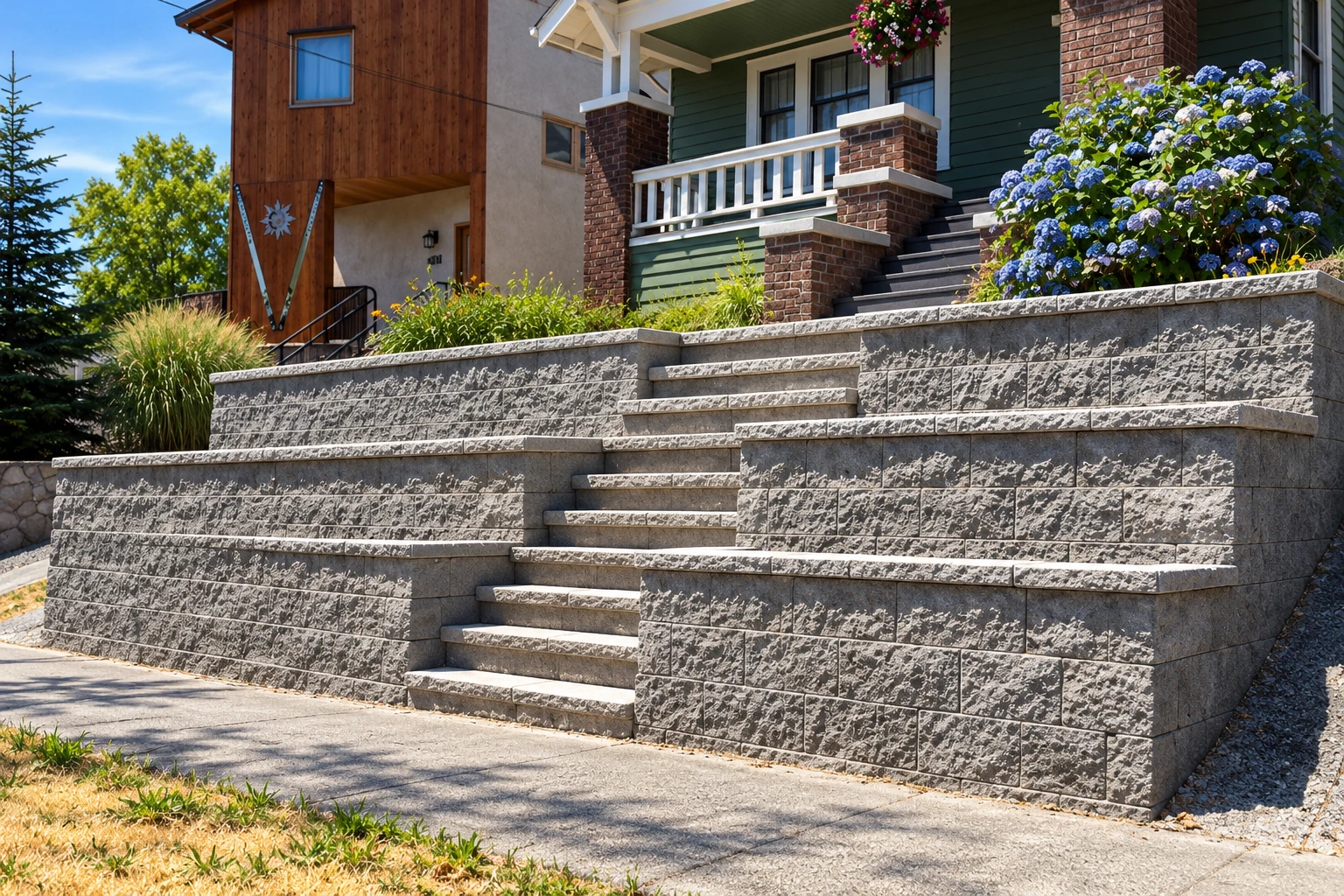
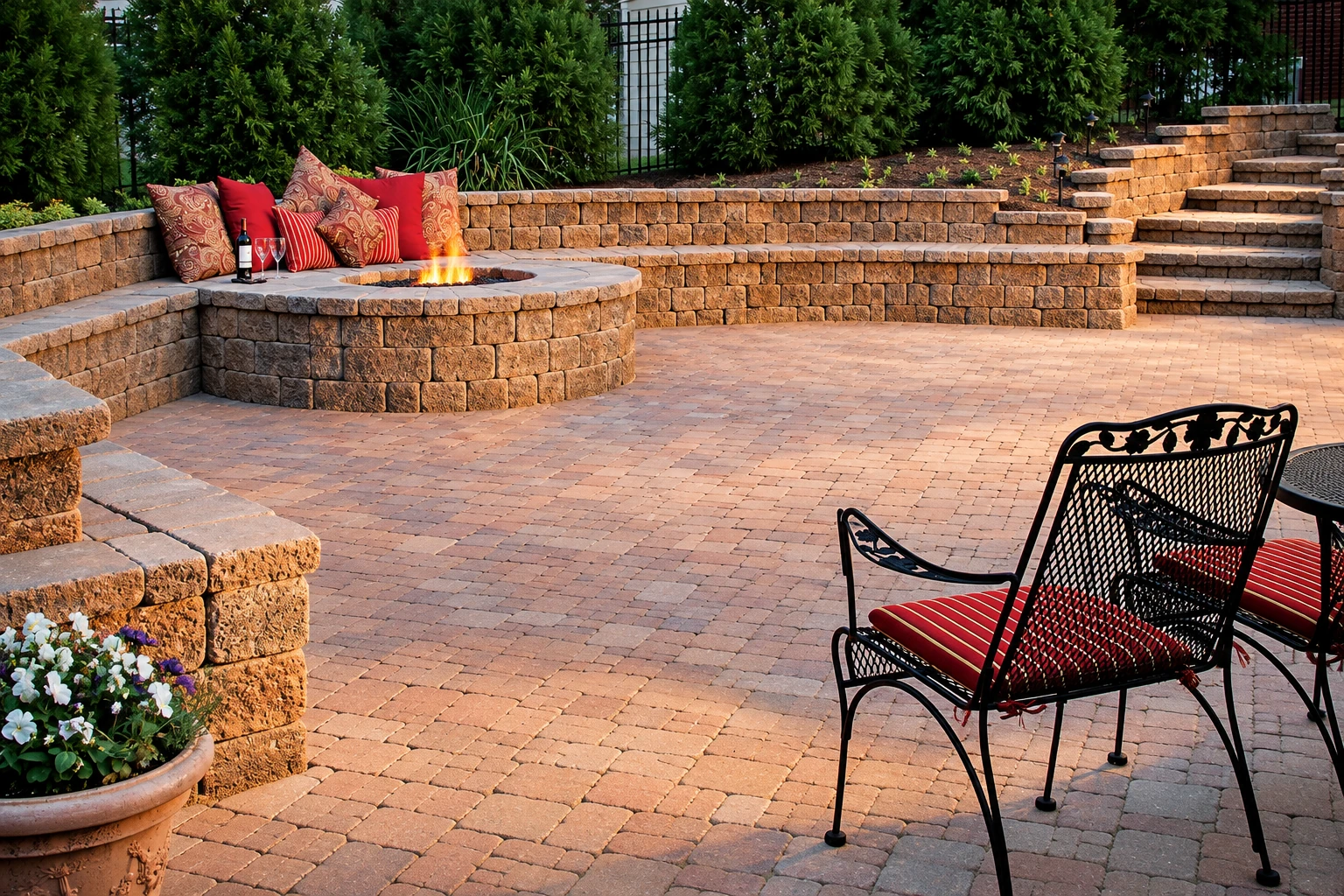
Where one part of a yard sits higher than the next, we build retaining walls on a footing with drainage behind them, so water can drain instead of pressing on the wall.
For older brick and stone that has stained, flaked or been patched with the wrong mortar, we clean it gently, repair the damaged pieces and bring the joints back to one look.
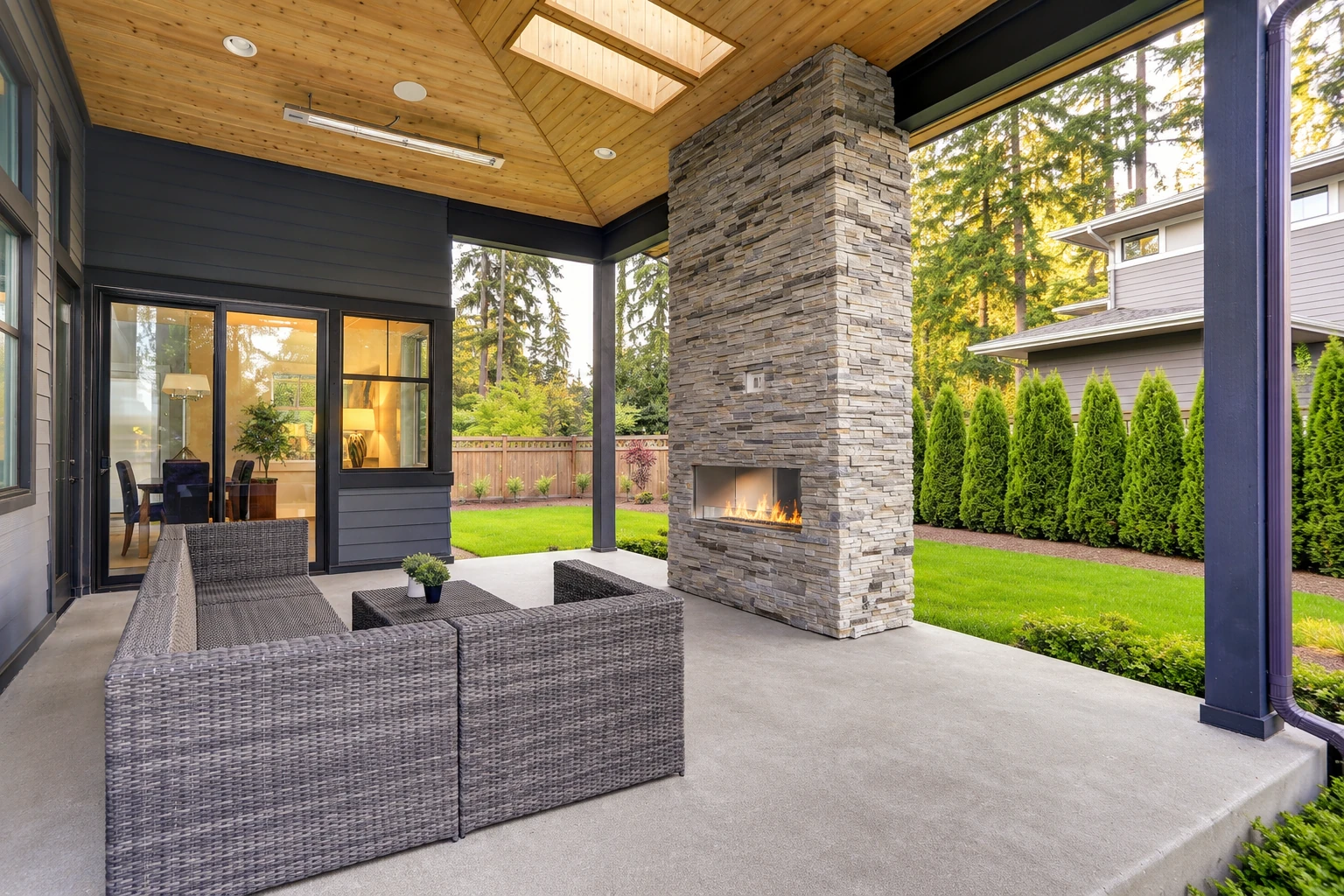
We build brick and stone fireplaces and surrounds, and in an older house we look at the existing chimney first so the new fireplace suits what's already there.
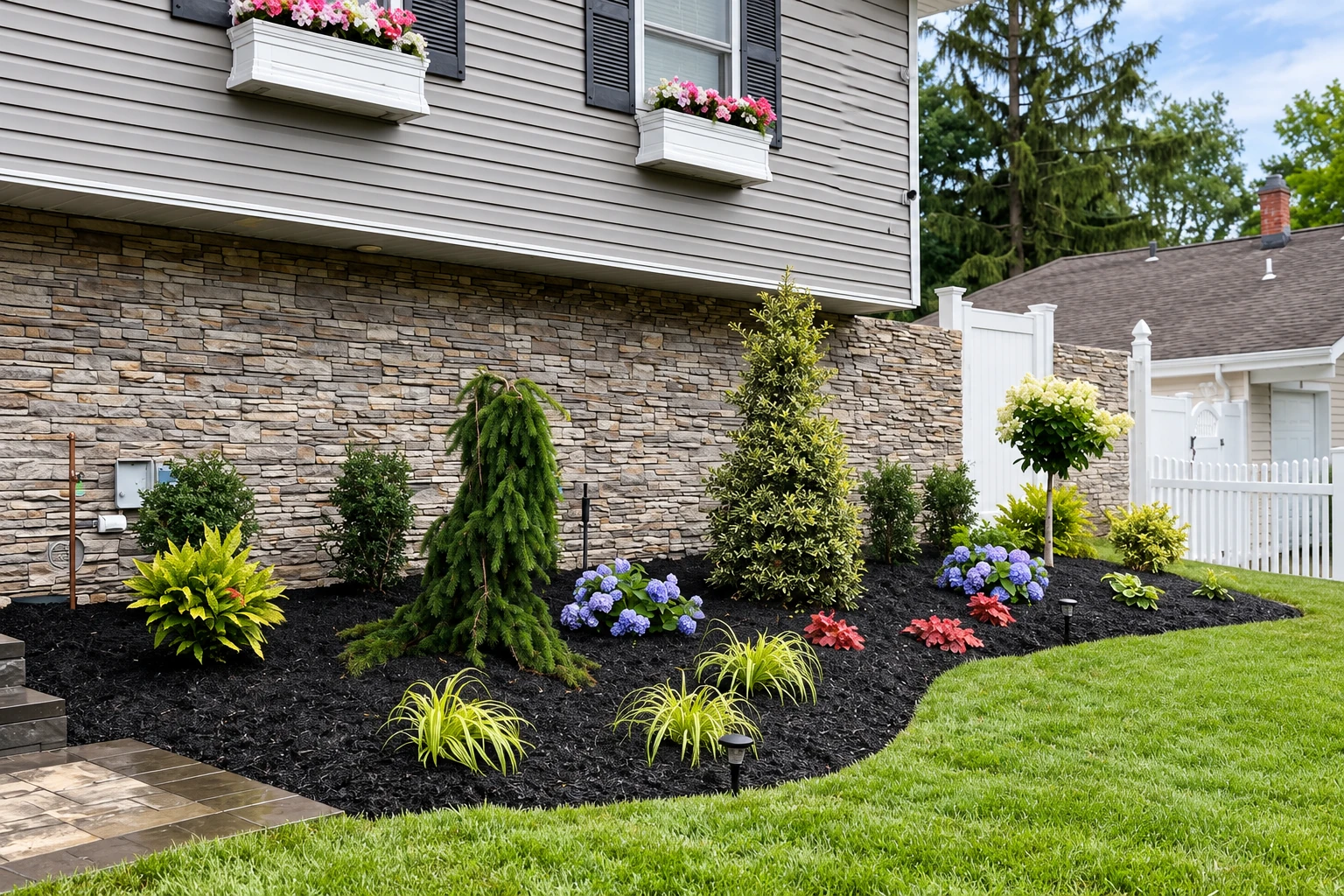
We set thin stone facing over block walls, planters and house fronts on wire lath and a mortar base, with a way for water to drain, since trapped water loosens the stone.
Property-line block walls on older lots often crack or lean as they age. We repair the ones worth saving and build new walls with steel and grout through the block.
We lay block foundation walls for additions, garages and raised floors on a footing sized for the weight, with steel placed where the plans call for it.
We build the block base for grills, counters and bars, then finish it in brick or stone, leaving openings for gas, water and power where your other trades need them.
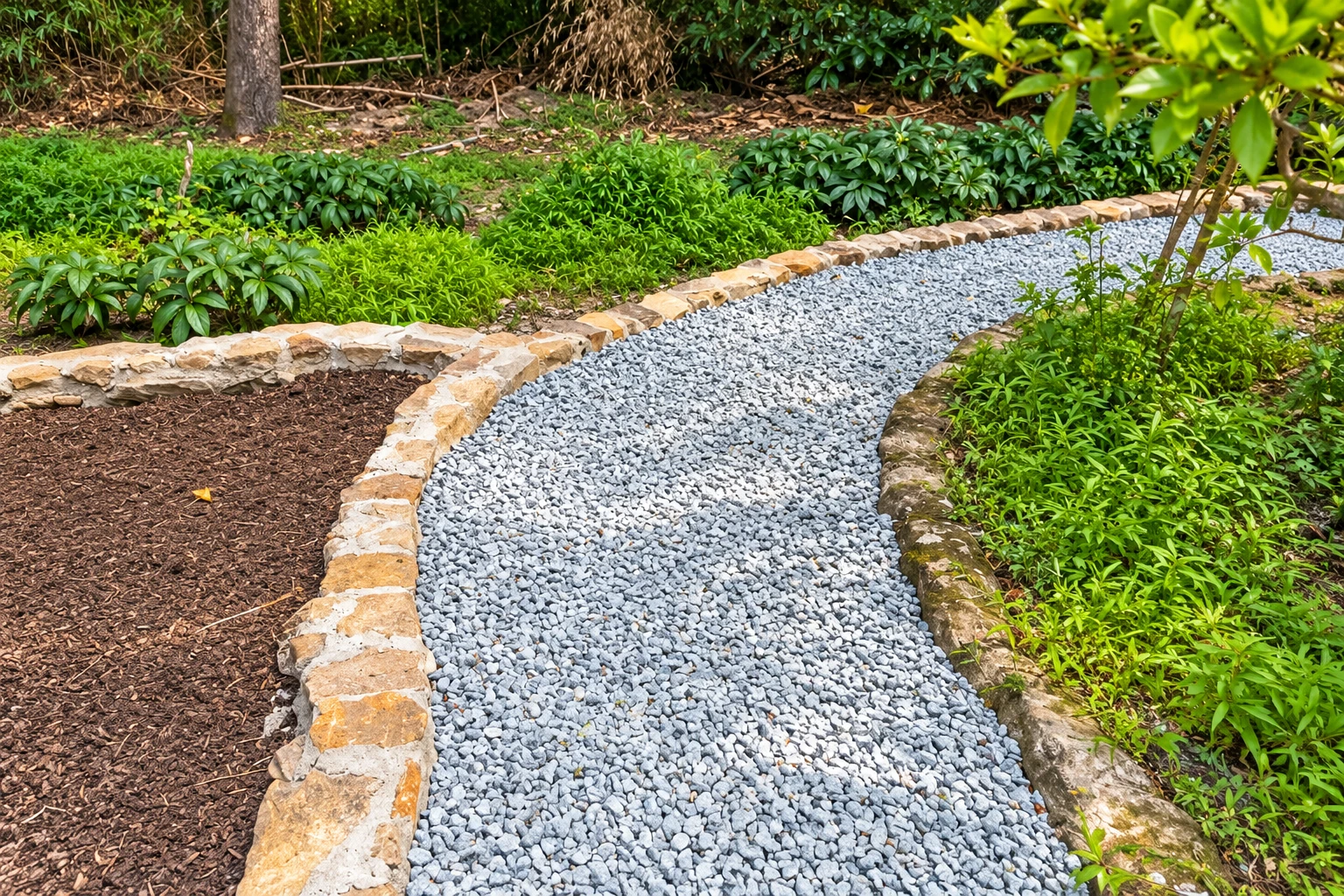
We build brick, paver and stone walkways on a compacted base with a slight slope, so the path from the driveway to your front door stays even underfoot and sheds water.
For garden walls, low front walls and planters, we lay brick on a solid footing with neatly pressed joints, so the wall looks finished from both sides and holds its line.
We lay natural stone for walls, steps, columns and planters, choosing and shaping each piece by hand so the joints stay tight and the weight rests on stone, not mortar.
For smaller areas of worn mortar, like a few rows on a step or planter, we rake out the loose joints and refill them with mortar matched to the old.
We reply within one business day to set a time for me to come out to your Norwalk property. I look at the job and write your estimate on site, free and with no obligation.
A line or two about the wall, chimney or walkway, and where it sits on the lot, helps me come to the visit with the right questions and tools.
You're welcome to ask for our license and insurance details when I come out. It's a fair question for any contractor, and I'm glad to answer it.
Satisfaction guaranteed on every job. We also clean up properly at the end of each day, so you aren't stepping around our mess between workdays.
Here are plain answers on state licenses, small-job rules and earthquake zones for Norwalk homeowners planning brick, block or stone work.
Yes, if the job needs a building permit, uses hired workers or comes to $1,000 or more in labor and materials. That's the state rule from the Contractors State License Board, which licenses and regulates construction in California, and the license has to be current and valid. We're licensed and insured, and our own crew does the work.
Only small jobs that meet every one of the board's conditions. The person can't advertise as a licensed contractor, the project can't need a building permit, no employees can be used, and labor, materials and all other costs together must stay under $1,000, even across more than one contract. The limit used to be $500, so older advice may quote that figure.
You may be able to, as an owner-builder. The board says owners who build or improve structures on their own property and do the work themselves, or with their own employees paid in wages, may be exempt from the state contractor license. If you'd rather have our crew build it, I'll gladly come out and write an estimate.
Type your address into EQ Zapp, the state's online earthquake hazard map, to see whether your property lies in one of its mapped zones. It also tells you if the state hasn't evaluated the hazards in your area yet. If you've looked it up, tell me what it showed, and I'll keep it in mind when I look at the ground.
These are the cities with their own page on our site. We work in other cities around Yorba Linda too, so call (714) 386-7680 to ask about your address.
Call (714) 386-7680 until 10 PM any day, so you can reach us after work, or send the form whenever it suits you.